A septic tank overflow is one of the most unpleasant and costly problems a homeowner can face, and it often happens with little warning. In Spring Hill, Florida, septic systems work harder than many homeowners realize due to sandy soil, frequent rain, and high groundwater levels.
When a septic tank overflows, it is usually a sign that something has gone wrong inside the system, not just a random failure. Understanding what causes septic tank overflows and how to prevent them can help protect your home, your yard, and your health, while avoiding emergency repairs and unnecessary expenses.
What Happens When a Septic Tank Overflows?
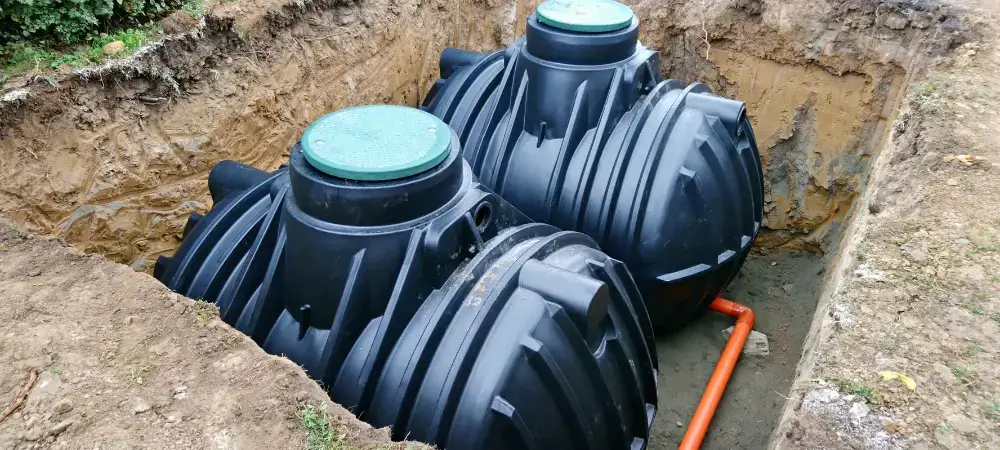
When a septic tank overflows, wastewater has nowhere else to go and begins backing up into places it should never reach. This can include sinks, toilets, floor drains, or even the yard above the drain field.
Inside the tank, solid waste should stay separated from liquids. When the tank becomes too full or the system cannot absorb water properly, that balance is lost. Raw sewage can escape before it has been treated, creating serious health risks.
An overflow also places stress on the drain field. Untreated wastewater can saturate the soil, kill beneficial bacteria, and lead to long-term system failure. Left unaddressed, a single overflow can turn into extensive property damage and costly septic repairs.
The Most Common Causes of Septic Tank Overflow
Septic tank overflows are rarely caused by a single issue. In most cases, several problems build up over time until the system can no longer function properly. One of the most common causes is a full septic tank due to infrequent pumping, which allows solids to rise and block the outlet.
Clogged or damaged drain field lines can also prevent wastewater from dispersing into the soil. Excessive water use from leaking fixtures, heavy laundry loads, or long showers may overwhelm the system.
Flushing non-biodegradable items, grease, or chemicals disrupts bacterial activity inside the tank, reducing its ability to break down waste and increasing the risk of overflow.
How Florida Soil and High Water Tables Contribute to Overflows
Florida’s soil conditions play a major role in septic system performance, especially in areas like Spring Hill. Much of the region has sandy soil, which drains quickly but offers limited filtration when the ground becomes saturated. During heavy rain or extended wet seasons, the soil can no longer absorb wastewater efficiently.
High water tables make the problem worse. When groundwater rises too close to the drain field, it reduces the space needed for proper wastewater treatment. Instead of soaking into the soil, liquid waste is forced back toward the tank. This added pressure increases the likelihood of backups and overflows, even in septic systems that are otherwise well maintained.
Warning Signs Your Septic Tank Is About to Overflow
Septic systems often give warning signs before an overflow occurs, but many homeowners overlook them. Common signs to watch for include:
- Slow draining sinks, tubs, or toilets, which often indicate the system is struggling to move wastewater efficiently
- Gurgling sounds in plumbing lines, signaling trapped air caused by partial blockages
- Persistent sewage odors inside the home or near the drain field, suggesting wastewater is not being treated properly
- Unusually green grass over the septic area, which may be caused by excess nutrients from leaking wastewater
- Spongy or soggy soil near the tank or drain field, indicating poor absorption
Recognizing and addressing these warning signs early can help prevent a septic tank overflow and reduce the risk of costly repairs.
How Regular Septic Pumping Prevents Costly Overflows
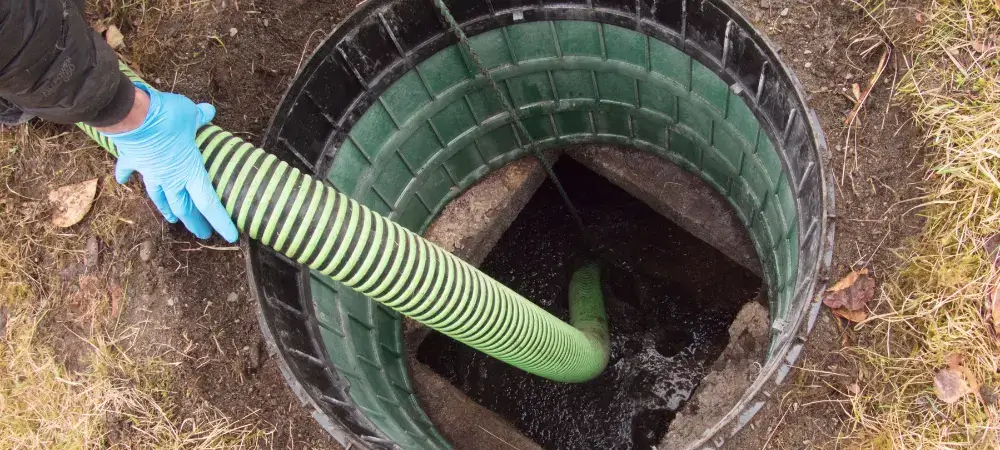
Regular septic pumping is one of the most effective ways to prevent septic tank overflows and protect the entire system. Over time, solid waste accumulates inside the tank and reduces the available space for wastewater. When pumping is delayed, these solids can rise and block the outlet baffle, forcing untreated waste back into the home or yard.
Routine pumping removes excess sludge and scum before they cause restrictions, allowing wastewater to flow properly into the drain field. In areas like Spring Hill, where high groundwater levels already stress septic systems, keeping the tank at the proper capacity is critical. Scheduled pumping also allows technicians to spot early signs of damage, helping homeowners avoid emergency service and expensive repairs.
What to Do If Your Septic Tank Overflows
If your septic tank overflows, quick action can prevent health hazards and minimize damage. Follow these steps immediately to protect your home and yard:
- Stop water usage – Avoid flushing toilets, running sinks, or using appliances to prevent adding more wastewater to the tank.
- Avoid contact with wastewater – Sewage contains harmful bacteria and pathogens. Keep children, pets, and adults away from the affected area.
- Call a professional septic tank pumping in Spring Hill – A licensed technician can pump the tank safely, inspect for damage, and restore proper function.
- Clean affected areas carefully – Only after the tank is serviced, disinfect surfaces and treat contaminated soil if necessary.
Acting fast can save thousands in repairs and restore your system’s safety and efficiency.